
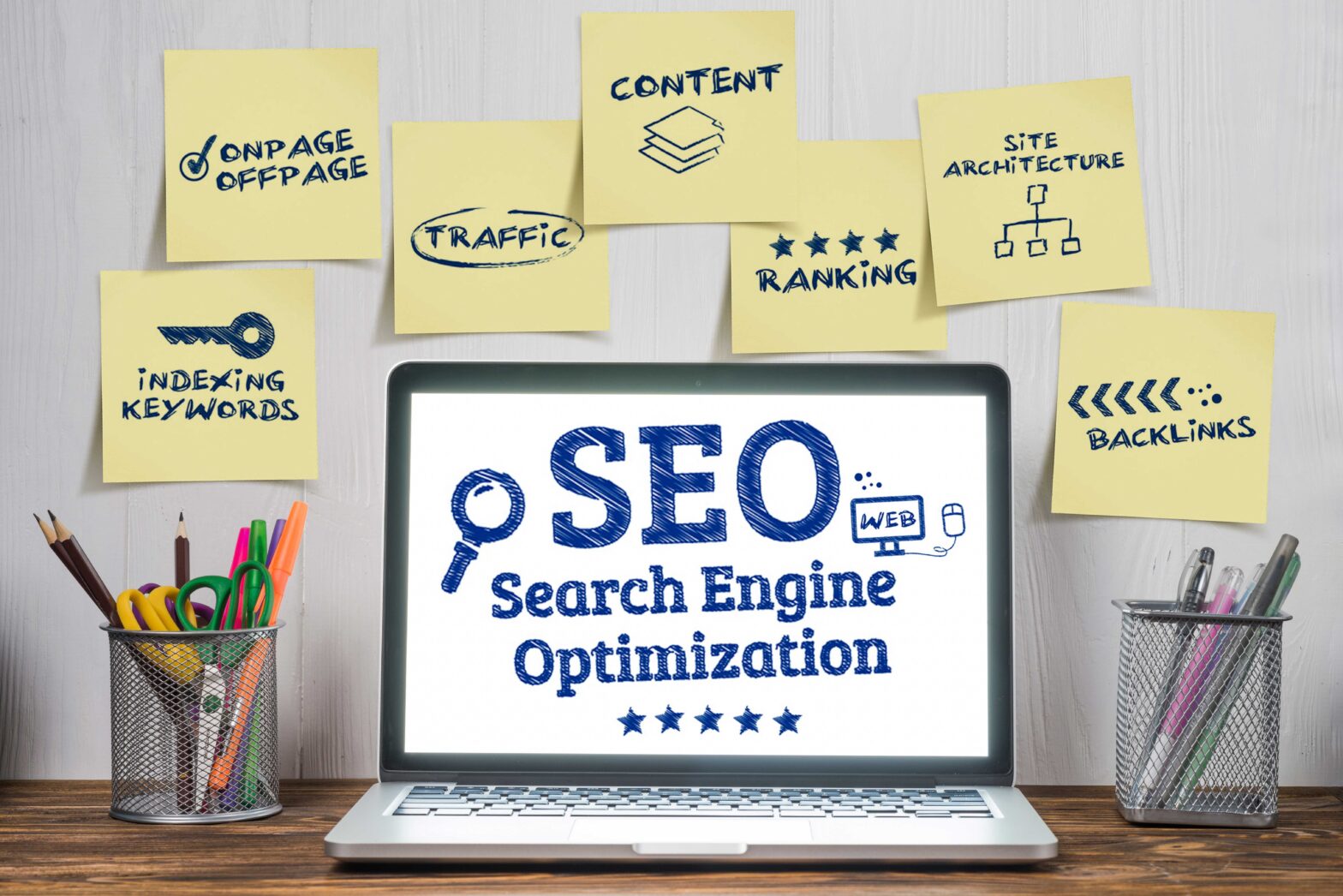
SEO (Search Engine Optimization) is the process of improving a website’s visibility on search engines like Google, helping it appear higher in organic (non-paid) search results. The primary goal of SEO is to attract relevant visitors to a website by ensuring that search engines can easily understand, index, and rank its content.
When users search for information, products, or services online, search engines analyze millions of web pages to provide the most relevant results. SEO helps websites meet the criteria search engines use to determine relevance and quality. A well-optimized website has a better chance of ranking higher, which can lead to increased traffic, brand awareness, and business growth.
SEO consists of three main components:
1. On-Page SEO
This involves optimizing elements within a website, such as page titles, meta descriptions, headings, images, URLs, and content. Using relevant keywords naturally throughout the content helps search engines understand the topic of a page. High-quality, informative, and user-focused content is a key factor in successful on-page SEO.
2. Off-Page SEO
Off-page SEO focuses on activities outside the website that improve its authority and credibility. The most important aspect is link building, where other reputable websites link back to your site. These backlinks act as votes of confidence, signaling to search engines that your content is trustworthy and valuable.
3. Technical SEO
Technical SEO ensures that a website is easy for search engines to crawl and index. It includes improving website speed, mobile responsiveness, site structure, security (HTTPS), XML sitemaps, and fixing technical issues that may affect search performance.
SEO is a long-term digital marketing strategy that requires continuous optimization and monitoring. Search engine algorithms frequently change, making it important to stay updated with the latest SEO practices. Unlike paid advertising, SEO focuses on earning traffic naturally, providing sustainable results over time.
The benefits of SEO include increased website traffic, better user experience, higher credibility, improved brand visibility, and a greater return on investment. Businesses, bloggers, e-commerce stores, and organizations use SEO to reach their target audience and achieve online success.
In today’s competitive digital landscape, SEO is essential for any website that wants to improve its online presence. By creating valuable content, optimizing website performance, and following best SEO practices, businesses can attract more visitors and convert them into customers. SEO is not just about ranking higher on search engines; it is about delivering the best possible experience to users while making content easily accessible and discoverable online.
The blog is accurate and it is totally informative.